Beyond Nostalgia: What Retailers Can Learn From the 120-Store Toys R Us Expansion
The return of Toys R Us has captured national attention, reconnecting shoppers with a brand many remember from childhood. But the business story goes far beyond childhood attachments.
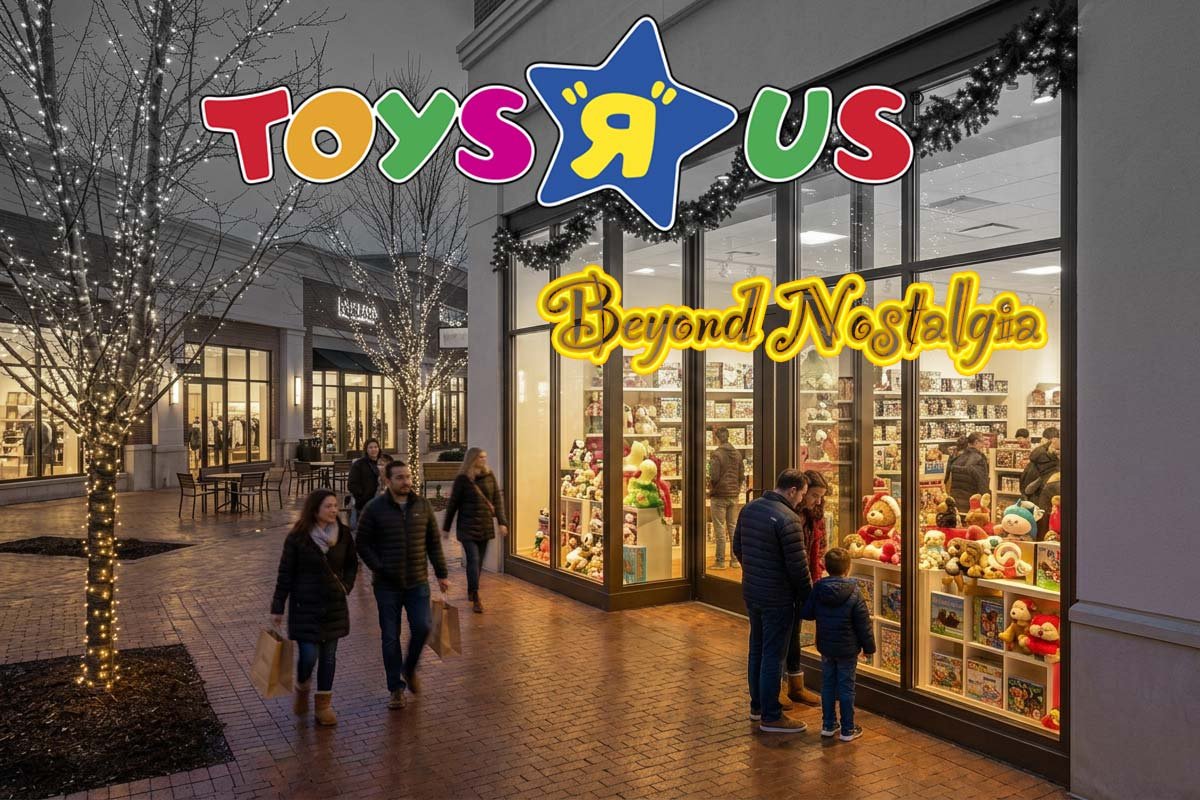
Its planned expansion puts a household name back into physical retail at a moment when the entire industry is being remade by a rising trend in adult hobbyists.
The company’s announcement details a mix of traditional shopping and in-store attractions, including Creator Studios, cafés, and candy shops at select locations. Those features give shoppers more to do than simply browse inventory rows. For landlords and retailers watching, the question is fair: Can Toys R Us make this comeback last beyond the holiday rush?
Key Takeaways
- Adults are driving the toy market: Adult-only households account for over half of all toy sales, meaning stores must cater to older hobbyists with disposable income, not just families with young children.
- Foot traffic must translate into sales: In-store attractions like Creator Studios and cafés generate buzz and social media engagement, but every square foot must still justify its cost by selling merchandise.
- Site selection requires a new blueprint: To attract adult collectors, toy stores benefit more from walkable lifestyle centers near restaurants and coffee shops than from traditional suburban strip malls.
- Long-term survival depends on year-round appeal: A busy holiday shopping crowd proves seasonal demand, but lasting success relies on high-margin collectibles and events that bring shoppers back in the slower spring and summer months.
1. Can Creator Studios and In-Store Buzz Turn Visitors Into Buyers?
Toys R Us isn’t just trying to fill shelves with boxed products; it is trying to turn a trip to the store into an event.
At select locations, the company plans to introduce dedicated Creator Studios—spaces designed for filming social media content, hosting toy unboxings, and staging product reveals. Alongside planned cafés and candy shops, the goal is to make the store a destination where kids, teens, and adult collectors actively want to hang out.
For shoppers, that sounds exciting. But behind the scenes, every square foot devoted to an attraction is floor space that cannot hold traditional merchandise shelves. A café adds equipment costs, utility connections, extra staff, and the municipal approvals required to serve food and drinks. A Creator Studio takes up room that could otherwise display rows of boxed inventory.
For any retailer watching this strategy, the real challenge is turning that foot traffic into ringing cash registers:
- Social buzz doesn’t guarantee sales: An influencer unboxing a toy or a shopper snapping a selfie creates great free marketing. But if visitors leave after shooting a video without buying merchandise, that floor space isn’t paying its share of the bills.
- Events require real coordination: Hosting live demonstrations and community gatherings demands extra staff, clear crowd management, and leases that permit special activities without disrupting neighboring shops.
- The store must remain a store: An engaging atmosphere can attract shoppers who might otherwise buy online. But the experience works only when it naturally leads people toward the checkout counter.
The lesson for modern retail is straightforward: interactive features can put a brand back on the cultural map, but the floor space still has to justify itself by driving everyday sales.
2. The Real Estate Angle Now
When retail data from Circana revealed that adult-only households account for 55% of all toy sales, and that teens and adults drove nearly 60% of recent sales growth, the old retail playbook became obsolete.
Source: Circana
Here is how those numbers directly change site selection—the process of deciding where to open a store:
- They can’t rely solely on family-heavy suburbs: Adult collectors with disposable income don’t necessarily live near playgrounds or drive minivans. They live in walkable downtown neighborhoods, urban fringe developments, and apartment-heavy districts.
- They need foot traffic seven days a week, not just on Saturday mornings: Traditional toy stores experienced severe mid-week slumps when kids were in school. Adult hobbyists, however, shop after work, on lunch breaks, or during evening outings.
- Co-tenancy must change: Instead of sitting next to a children’s clothing store or a grocery store, a toy retailer catering to collectors benefits from being near coffee shops, hip dining spots, bookstores, or entertainment centers in high-end outdoor lifestyle centers.
- Disposable income matters more than family size: High-end building sets, premium anime statues, and licensed pop-culture figures sell for $100 to $500 or more. That requires locations in trade areas with strong discretionary income, not just high headcounts of children.
3. Holiday Rush or Year-Round Hobby?
A toy store can feel unstoppable in December. Parents are shopping for gifts, collectors are hunting down new releases, and the busiest shopping days of the year bring steady crowds through the doors. Then January arrives, the decorations come down—and revenue falls off a cliff while the rent stays exactly the same.
That is the year-round challenge behind any retail expansion timed for the holiday season. A packed holiday crowd proves there is seasonal demand, but it does not prove by itself whether enough shoppers will walk through the doors in February, May, or August.
For a toy retailer, new product releases, collectibles and events can help create those reasons. A family might return for a new building set or a birthday gift. A collector might come back to see a new release or attend an event. The planned Creator Studios, cafés and candy shops may make some locations more engaging. Their longer-term value depends on whether they can add to the shopping experience in a way that brings back the dedicated fans who treat toy buying as an ongoing passion rather than just a gift engagement.
The Secret to Surviving the Comeback
The old Toys “R” Us died because it was an oversized warehouse stuffed with generic inventory that Amazon and Walmart could sell cheaper.
The goal of this comeback isn’t trying to rebuild that 1990s museum. The secret is realizing that a modern physical store has to do a completely different job. It’s not just a distribution point for boxes anymore; it’s an interactive showroom, a social hub for adult fans, and an agile testing ground that earns its footprint every week.
The formula for making a retail revival work today comes down to three operational shifts:
First, treat the store as a media channel, not a warehouse. When a retailer adds spaces like Creator Studios or hosts product reveals, the sales floor becomes an interactive showroom. A traditional store waits for foot traffic; a modern experiential store creates content and social momentum that pulls people in from their screens.
Second, follow where passion spends money. Mass-market discounters have already captured the low-margin commodity toys. The growth in specialty retail belongs to high-engagement categories—intricate building sets, collectible figures, and pop-culture releases that adult fans actively collect and celebrate. Catering to those enthusiasts turns a store into a regular destination rather than an occasional stop.
Finally, prioritize agility over massive square footage. Partnering with an operator like Go! Retail Group was a smart move. This allows the legacy brand to scale up, test regional markets, and adjust inventory without being crushed by decades of rigid overhead.
The holiday rush can make a toy store feel like Santa’s busiest workshop. The comeback depends on whether shoppers return after the wrapping paper is gone.
Frequently Asked Questions
Where is the complete list of new Toys "R" Us store locations?
Are these permanent brick-and-mortar stores or temporary holiday pop-ups?
These are planned as permanent, year-round standalone stores, operated in partnership with Go! Retail Group. While the rapid expansion is timed to capture holiday traffic, the business model relies on flexible footprints and ongoing collector demand to keep doors open twelve months a year.
How are these new stores different from the giant Toys "R" Us stores of the past?
Instead of the massive 40,000-square-foot warehouse layouts from decades ago, modern stores feature smaller, more nimble footprints. Rather than just stacking aisles with boxes, the new locations focus on curated inventory, interactive zones, and dedicated spaces like Creator Studios for fans and hobbyists.
What role do adult shoppers play in the new toy store model?
Adults buying for themselves—often called “kidults”—now represent one of the fastest-growing customer segments in the toy industry. Because these shoppers buy premium collectibles, building sets, and pop-culture merchandise all year long, stores are choosing locations and stocking products that cater to adults with disposable income, not just parents shopping for young children.