Rise of the Agentic Tenant: How AI-Run Stores Could Change Retail Real Estate
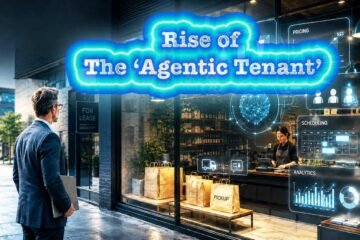
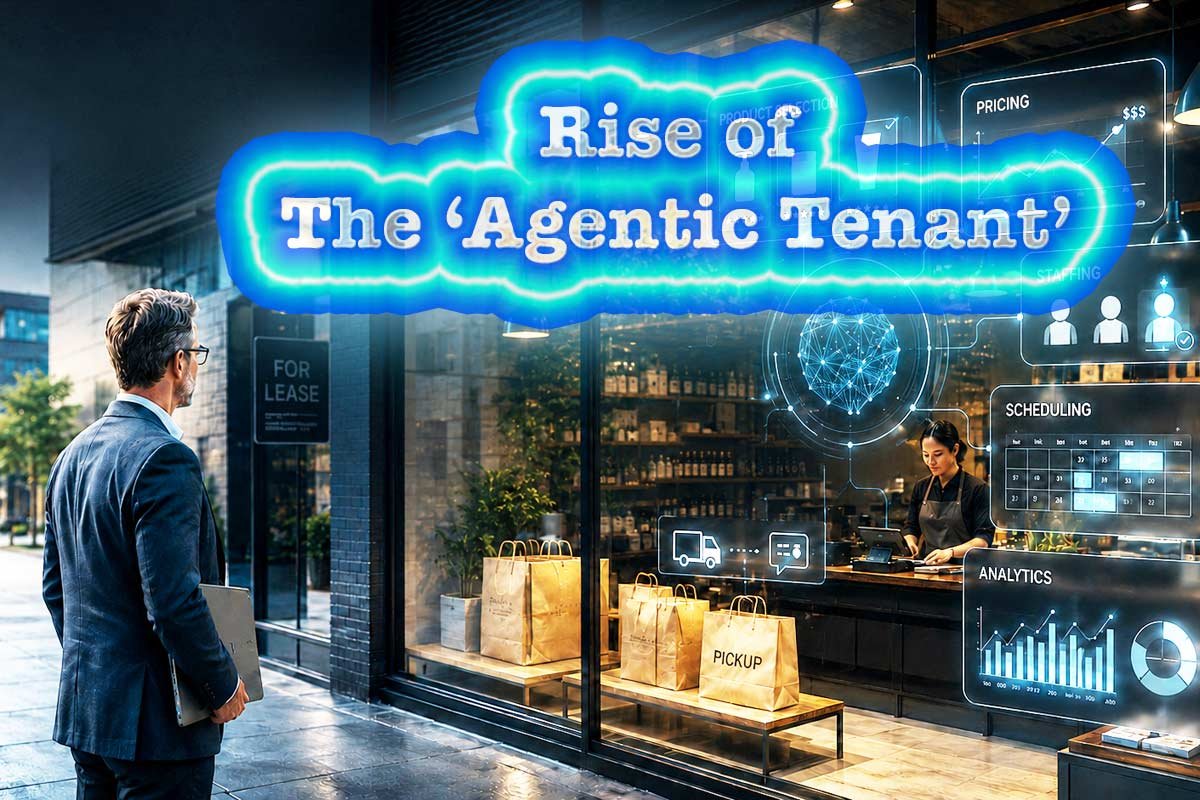
company signed a three-year lease and handed much of the operation to an AI named Luna. She selects merchandise, helps set prices and hours, created the store’s brand, posted job openings, interviewed candidates, and hired human employees to handle tasks she cannot perform herself, such as greeting customers and stocking shelves.
From Experiment to Emerging Trend
AI run stores are still rare.
Another experiment, built by SmartNovo in Poland, offers a stand-alone store for selling merchandise.
It’s completely run by AI to perform several roles that would normally be handled by people, including inventory management, checkout, security, and marketing. When stock runs low, the system can place an order and dispatch a human assistant to restock.
AI Could Change What Retailers Need From a Space
Retail real estate has always reflected the tenant’s operating model.
Restaurants need kitchen infrastructure. Fitness users need open space and parking. Medical tenants may need specialized power, plumbing, and buildout features.
AI-enabled retailers may add a new set of priorities.
Reliable connectivity can become more important. So can electrical capacity, cameras, sensors, data systems, and space for fulfillment or automated equipment. A retailer that uses AI to monitor inventory or coordinate online orders may need a different balance between customer-facing space and back-of-house operations.
That means two retailers selling similar products could have very different real estate requirements.
One may operate like a conventional store. Another may rely heavily on technology, automated inventory tracking, and fulfillment systems.
For tenants and tenant reps, that means site requirements may need to go beyond square footage, rent, visibility, and parking. Questions about power, connectivity, infrastructure, storage, and technology may need to come earlier in the site-selection process.
For landlords and listing reps, it may become just as important to understand how a retailer operates as what category of retailer it is.
Physical Stores Still Matter
The rise of AI might suggest that physical stores will become less important. Current retail trends point in the opposite direction.
The Lease May Look Familiar, Even if the Store Does Not
For the foreseeable future, an AI-run retailer will probably look fairly conventional on a lease.
A business entity will still sign it. The tenant will still owe rent. Landlords will still evaluate financial strength, use, and compatibility with the property. Brokers may still represent either side.
What changes is what happens behind the signature.
AI may increasingly influence how much space a retailer needs, how inventory moves through it, how many people work there, and which property features matter most.
Luna may be unusual today. But if AI becomes more deeply embedded in retail operations, landlords, tenants, and brokers may need to stop asking only:
“What kind of retailer is this?”
They may also need to ask:
“How does this retailer actually run its stores?”
That is where the rise of the agentic tenant could begin to change retail real estate.
Frequently Asked Questions
What is an agentic tenant?
Can an AI sign a commercial lease?
The source material for this article does not support AI itself becoming the legal tenant. At Andon Market, Andon Labs signed the lease and remains responsible to the landlord.
How could AI affect retail space requirements?
AI-enabled retailers may place greater importance on power, connectivity, cameras, sensors, fulfillment areas, storage, and space for technology or automated equipment.