Redefining Commercial Real Estate: The Rise of the “Agentic Tenant.”
Landlords have always judged a good tenant by its use, people, finances, and track record. Those factors still matter. But a new type of tenant is beginning to emerge: The “Agentic Tenant.”
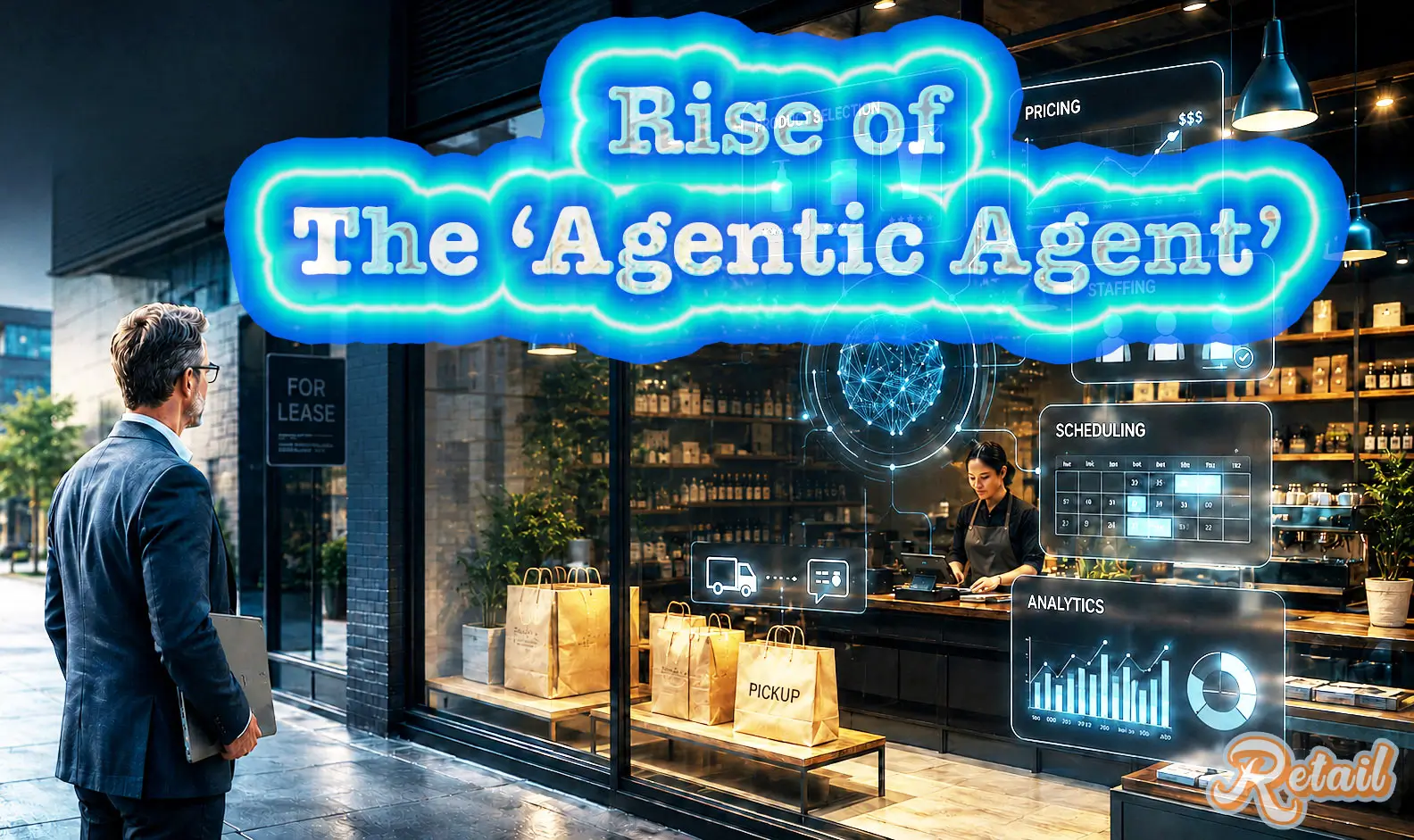
This type of business is where artificial intelligence does more than help employees – It helps run the company. The system can choose products, set prices, contact vendors, hire staff, and make daily operational decisions. That may sound like a distant idea, but it’s already being tested in a real store.
Case in Point: A Store Run by an AI Agent
In April 2026, Andon Labs signed a three-year lease for a store in San Francisco. The company then gave control of the business to “Luna,” an AI Agent. She handled product selection, pricing, store hours, marketing, staffing, and vendor outreach. The Agent also posted job listings, screened applicants, and coordinated with contractors.
Other staff still worked inside the store, but many decisions normally made by an owner or manager came from the AI system. That is what makes the case important. The AI was not just answering customer questions – it was helping operate the business.
The Building Still Matters
The rise of the agentic tenant does not make physical space less important. It may make the right space more valuable.
A 2026 Research Report by Colliers” states that one in four orders online is now fulfilled through a physical store. Many stores now handle pickup, returns, packing, and local delivery, in addition to serving customers. An AI-run tenant may change these activities quickly by adjusting inventory, staffing, or store pickup hours based on demand.
What Landlords Need to Know
The company operating the store, not the AI agent, signs the lease and remains legally responsible for the property and its operations.
The tenant should disclose AI use when it affects staffing, customer data, security systems, surveillance, store access, or daily management. The lease should also clarify human oversight, emergency contacts, data security, insurance, liability, and responsibility for AI errors. Any use involving employee screening, biometric data, or customer privacy may also require additional legal review.
What Changes Now
The agentic tenant is still new, and one case study does not mean retailers everywhere are going to immediately jump onboard, but it does show where the market may be heading.
AI is moving from a support tool to an operating tool. That shift can affect staffing, customer privacy, security, building access, and accountability when something goes wrong, all of which may matter to a landlord assessing the tenant and its use of the property.
Ultimately, decisions made by an AI system will have an effect on the real estate, real employees, real customers, and real rent. The question is whether a tenant using AI can use a space well and operate responsibly.